Peace of Mind in Times of Crisis: Emergency Preparedness in the Wake of Natural Disasters

Whether you own a business, other property, or only have your home to worry about, there is always the worry of your ability to protect your property in cases of natural disasters. In the wake of a natural disaster, many people try to take advantage of the situation, resulting in crimes like looting and fraud. This article holds key insight in preventative measures and the proper emergency response to minimize losses and protect your property.

Crime Tends to Rise After Natural Disasters

After natural disasters, like the fires in Southern California, property crime rises in occurrence at great rates. People see mandatory evacuations of homes as the perfect time to take advantage and break in, using the vulnerable situation for their purposes. When in crisis, law enforcement is working hard making sure all citizens are safe, but this means that there is less presence in the evacuated and damaged areas.

A huge issue, and one that’s become worse as time moves forward, is fraud. In the wake of Hurricane Katrina, the Department of Justice created the National Center for Disaster Fraud, meaning it’s become an important enough national issue that the government is trying to manage it. Because of the lack of protection both physically and online after a natural disaster, people use the situation to commit insurance fraud, property crime, and other offenses. These instances of fraud occur so frequently that it hinders insurance companies’ ability to respond to legitimate cases. With insurance companies incapable of keeping up, a community’s ability to recover and rebuild slows down too.

After a natural disaster, there tend to be shortages of food and water, and many people end up displaced and without a home. Huge areas can be destroyed, extremely impairing the infrastructures for security reporting, and making alarm response and summoning help difficult. This is a huge issue for dealing with injuries and crimes in the immediate aftermath, and can put a lot of people in danger. Because of this, many communities have turned to private companies, and people are unaware of just how much help they provide.

A paper from Temple University reports that many mayors and governors have made statements about their positive work with the private sector in preparing for natural disasters, with both for-profit and not-for-profit groups. The paper labels these relationships as “public-private partnerships (PPPs).” Partnering with private companies gives the local and national government much-needed help, by an organization that is trained to aid in these specific situations. Private security, for example, can specialize in alarm response, and can provide extra help in those key hours after a natural disaster.

According to the National Conference of State Legislatures, more than 25 million Americans were affected by natural disasters in 2017. In response to these dire circumstances, in June of 2019 Congress passed a $19 billion disaster package, which included $50 million to go to public-private partnerships to “support coastal resiliency.” The government is understanding the service provided by NGOs, and that working together is how to ensure a better response and preparation for natural disasters.

How to Protect Your Investments During Hard Times

In case of a natural disaster, there are both preemptive measures and post-disaster actions to help secure your property and ensure the safety of yourself and those around you. Taking preemptive action, meaning preparing for trauma before it happens, allows for a smoother, and better response to the natural disaster.

 
The first, and arguably most important preemptive action is to get insurance. A natural disaster is a rare occurrence, but not rare enough that the risk of not getting insurance to save money is worth it. To physically prepare for these situations, you need to have resources put in a safe place for when you need them. A great option is to have an emergency kit put together, including items like long-lasting food, water, and medical supplies, in a safe place that everyone in the family knows about it. Along with that, make an emergency plan, and repeatedly go over it with your family so that it will be easy to remember during a stressful situation.

Natural disasters create many security risks, particularly concerning the invisible forces in our lives: data. Keeping data secure is a difficult task, especially during a natural disaster. In order to maintain our own security, we need things like consistent service to allow for communication and security reporting. As Data Center Knowledge reported, during Hurricane Harvey, which hit Houston, Texas in 2017, Data Foundry’s staff stayed at work for days in order to keep systems up and running. Amazingly, they managed to have no interruptions during the emergency.

For businesses, protecting your property and data begins in the construction and location of your business. Many places have earthquake protection built into their structures, with a bedrock foundation and secure wall structures. Along with that, they should have extensive stored food and water resources for staff and the community, as well as cooling water and fuel, as Tom Kelly discusses in his article for ID Experts. You need to backup with hard drives, have generators and uninterruptible power systems, and have connections with organizations for cleanup and debris removal. While all of this is key to protecting the data of your business, it also helps protect the data of your clients and the surrounding community.

Whether you own a business or not, after a natural disaster has occurred, make sure to listen to the advice of the organizations overseeing the area. If they tell you to evacuate, do it as soon as possible, and this is where having a great emergency plan pays off. Try to only rely on the support of your close network of people in your life, both for physical aid and emotional support, as not all strangers have good intentions. Natural disasters put everyone in vulnerable positions. But with smart preparation and the ability to respond efficiently to any event, you can manage to live out peace of mind. For more security and safety insights, check out https://www.www.teamsignal.com/blog to subscribe to our bi-weekly services blog.
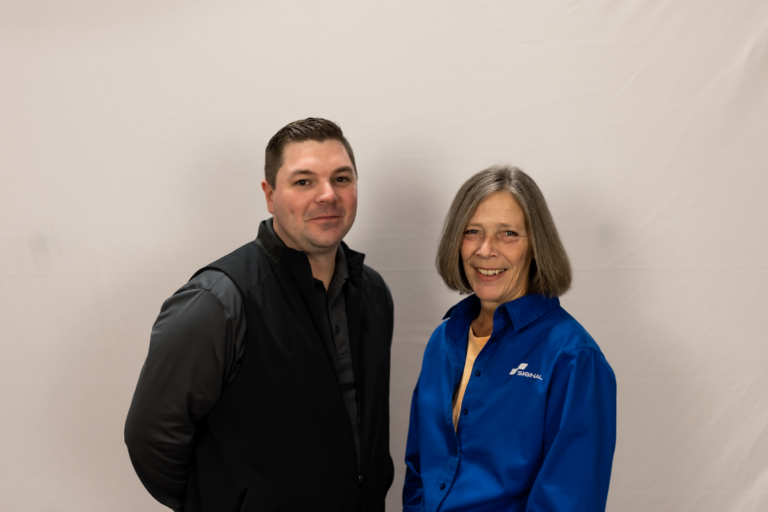
For Barb Alekna and Greg Pencosky, building Signal of West Virginia has always been about more than growing a security business. It’s about creating an organization where people can build meaningful careers, develop into leaders, and make a lasting impact in the communities they serve.

Since launching Signal of West Virginia in September 2024, that vision has guided the team’s approach to growth. From earning their first client to developing their first leaders, Barb and Greg have focused on building the business one relationship, one employee, and one client at a time.

That commitment to people, consistency, and continuous improvement is helping Signal of West Virginia establish a reputation for professionalism and dependable service across the state.

Building a Culture People Can Grow In

When Barb and Greg reflect on what makes them most proud, their answer comes back to their team. From the beginning, they wanted to create more than a successful security company. They wanted to build a career culture where employees could grow, take pride in their work, and become leaders.

“We strive to create an environment where each security officer and team member understands they’re not simply filling a security post,” they explain. “They’re protecting people, building relationships, solving problems, and representing the Signal brand with professionalism and integrity.”

That philosophy shapes how the team approaches every client and every assignment. Whether supporting apartment communities, healthcare facilities, major retailers, or special events, officers are expected to bring more than security expertise to the job.

Professionalism, reliability, communication, and dedication are all part of the standard.

For Barb and Greg, some of the most rewarding moments come from watching that culture take shape: seeing a new hire gain confidence, an officer advance into a leadership role, or a client recognize a team member for going above and beyond.

Earning Growth One Relationship at a Time

Launching a new franchise comes with challenges, but building Signal of West Virginia meant starting almost entirely from scratch.

Before the first contract, the organization had no established presence in the state, no existing clients, no employees, and no revenue. Barb and Greg had experience leading successful Signal operations, but they understood that success in another market wouldn’t automatically translate to West Virginia.

Instead, they relied on proven Signal processes while taking the time to understand the local market and build credibility from the ground up.

“Everything we’ve built since then has been earned one relationship, one employee, and one client at a time.”

That approach required humility, adaptability, and a willingness to learn. Not every proposal became a contract, and not every challenge had an immediate solution, but each experience became an opportunity to improve.

From securing their first client and hiring their first employee to celebrating their first promotion and major contract, each milestone represented another step toward building a reputation in West Virginia.

Continuous Improvement Drives the Team

For the Signal of West Virginia team, showing up at their best starts with a mindset of continuous improvement.

“We never want to become complacent or assume we know everything,” they explain. “Every conversation with a client, every interaction with an employee, every success, failure, and every challenge give us an opportunity to learn, improve, and become better than we were yesterday.”

That mindset extends beyond individual performance. Barb and Greg see clear communication as one of their most important responsibilities as leaders.

By staying connected with clients, supporting their team, and being proactive instead of reactive, they work to build trust and strengthen relationships.

For them, long-term growth isn’t something to chase. It’s something to earn through consistent effort, strong relationships, and exceptional service.

Redefining Professional Security

As Signal of West Virginia continues to grow, Barb and Greg want the community to see private security as more than simply placing officers at a post.

Their goal is to build long-term partnerships, invest in the communities they serve, and create a career culture where employees are empowered to make a positive difference.

“We’re here for the long-term, and we genuinely care about making West Virginia a safer place to live, work, and do business.”

That commitment is supported by the combination of Signal’s global resources and local, owner-led leadership.

The team benefits from Signal’s technology, innovation, experienced leadership, and proven operating model while maintaining a local presence built around responsiveness, accountability, and lasting relationships.

For Signal of West Virginia, that means officers aren’t simply providing security. They’re becoming an extension of their clients’ teams—protecting people, safeguarding property, assisting employees and visitors, and representing both the client and Signal with professionalism.

The goal is to become a trusted partner that helps reduce risk, strengthen operations, and provide lasting peace of mind.

Developing People and Leaders

For Barb and Greg, one of the most rewarding parts of ownership is watching people grow.

Whether it’s mentoring an officer into a leadership role, helping an employee build a long-term career, or developing a client relationship into a trusted partnership, those moments represent the impact they hope to create.

They also recognize that growth doesn’t happen in isolation.

The Signal network has provided opportunities to learn from experienced security leaders, including Paul Alekna and the team at Signal of Canton-Youngstown. Their mentorship and willingness to share experiences have played an important role in the growth of Signal of West Virginia.

That collaboration reflects another strength of the Signal network: franchises supporting one another and sharing knowledge to help each other succeed.

Building What Comes Next

For Barb and Greg, the most exciting part of the journey is knowing they’re still building.

“Every new team member we develop, every client relationship we earn, and every opportunity to strengthen our team is another chance to make a lasting impact.”

Their focus remains straightforward: invest in their people, serve clients with excellence, and build an organization that employees, clients, and the community can be proud of.

Being named Franchise of the Month for May 2026 is an important milestone, but the recognition is viewed as motivation rather than a finish line.

Barb and Greg credit their entire team for the franchise’s success and remain focused on creating a career culture where great people can grow, delivering exceptional service, and making a lasting impact throughout West Virginia.

Congratulations to Barb Alekna, Greg Pencosky, and the entire Signal of West Virginia team on being named May Franchise of the Month in 2026. Their commitment to developing people, serving their communities, and growing with purpose is a powerful example of what’s possible across the Signal network.


More Articles